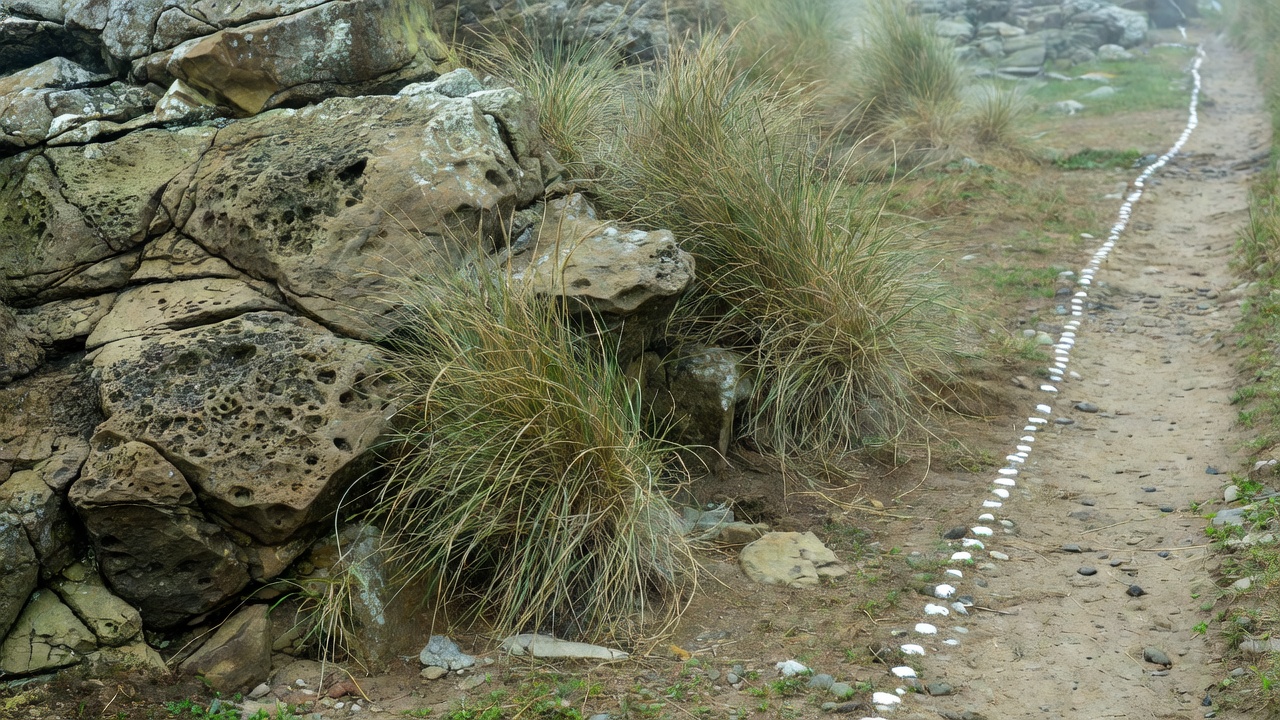
The edge is not the viewing platform
Coastal landscapes reward looking along them. Receding headlands, changing cloud and the movement of seabirds often read more clearly from an established path than from the outermost patch of grass. Resist the idea that a better photograph requires a more exposed position. A cliff can be undercut or fractured without obvious warning from above.
There is no universal distance from an edge that makes every cliff safe. Follow local signs, barriers and the designated route, and keep well back from both cliff tops and cliff bases. Never test a surface by edging forward. If a path appears damaged, cracked, narrowed or undermined, retreat and seek an officially signed alternative rather than trying to squeeze past.
Plan for wind and a changing coastline
A calm car park can hide the conditions on an exposed headland. Check the coastal forecast, including gusts, visibility and rain, before leaving. Wind direction matters as well as strength, but no direction makes a cliff edge safe. If gusts affect balance, leave the exposed section. Avoid loose clothing or equipment that encourages a sudden reach towards an edge.
Erosion can move paths, close steps and sever links described in older guides. Read the land manager’s notices and official route updates close to the day of your walk. Have an inland alternative that is legal and navigable. Do not assume that the line on a downloaded track remains usable after winter storms or prolonged rain.
Four coastal places, four research prompts
These established locations illustrate different reasons to prepare. They are not recommendations for a particular day, and none of these notes replaces a current route description.
Durlston, Dorset
Durlston Country Park combines coastal scenery with managed visitor information. Check the park’s current routes, gradients and access guidance. An inland section can be a worthwhile part of the visit rather than merely a way to reach the coast.
St Abb’s Head, Scottish Borders
Headland walking and seabird interest make space and restraint important. Consult National Trust for Scotland information, follow wildlife guidance and keep dogs controlled. Do not approach nesting areas for a closer photograph.
Bempton Cliffs, Yorkshire
Managed viewpoints can offer a structured way to observe a dramatic coast. Use RSPB visitor information to check opening arrangements, access and seasonal advice. Stay within designated viewing areas and allow others room to watch.
South Stack, Anglesey
The surrounding reserve, coastal paths and lighthouse attraction are not interchangeable access arrangements. Research each part separately, including any steps or restrictions. Check RSPB reserve guidance and the relevant operator before planning a combined visit.
Choose the right kind of coastal walk
A cliff-top path, a beach walk and a foreshore scramble involve different decisions. Do not add a beach descent spontaneously because it appears to reconnect with the route. Tide times alone do not describe all coastal risk: swell, wind, local geography and the availability of an exit also matter. If your planned walk depends on a tidal crossing, obtain authoritative local information and understand it before setting out.
For a quieter outing, a clearly marked inland loop with occasional coastal views may be more suitable than a continuous edge path. Consider everyone’s comfort with exposure, not just physical fitness. A person who feels unsettled by a drop should have a genuine alternative, not pressure to continue because the distance is short.
Give wildlife and other walkers room
Binoculars are a better way to get closer to birds than moving towards their ledges. Watch for signs of disturbance and follow seasonal restrictions. Keep noise low and do not feed wildlife. Drones can disturb birds and people and may be restricted; do not assume an open landscape means unrestricted flying.
Keep dogs on a short lead where required and away from edges throughout. Take particular care at gates and path junctions, where attention shifts easily to maps or conversation. When passing another group, wait at a wider, stable section on the designated route rather than stepping towards the drop. Leave the coast with the view in your memory, not with a story of an avoidable close call.
Official places to check
- Durlston Country Park — visitor and route information.
- National Trust for Scotland — St Abb’s Head guidance.
- RSPB — Bempton Cliffs and South Stack reserve information.
- South West Coast Path Association — route advice and updates for its trail.
- Met Office — coastal forecasts and warnings.