Begin with the catchment, not the photograph
A waterfall is connected to land you may never see from the path. Rain farther upstream can alter the flow even when your own stretch of sky looks clear. Check recent rainfall as well as the forecast, and look for local warnings or closures. A dramatic photograph taken after heavy rain is not a recommendation to visit in the same conditions.
Water noise can also make conversation and shouted warnings difficult to hear. Agree on a meeting place before approaching a busy or noisy viewing area. Keep children close and avoid spreading a group across narrow steps. If the path is flooded or the water is visibly rising, do not improvise a crossing or search for a lower bank to bypass it.
Read every surface as a separate decision
Spray can keep stone wet when the surrounding woodland is dry. Algae, polished steps, submerged edges and wet timber all affect traction. Footwear with useful tread helps, but no sole makes slippery rock reliably safe. Slow down before the wet section, use a provided handrail where appropriate and keep your hands available rather than carrying an open drink or a large camera setup.
Stay on the signed visitor route and behind barriers. An informal line down a bank may have been made by repeated poor decisions, not by a route planner. Do not climb around fencing, enter a closed viewing area or step into the stream to improve a composition. Cold water, strong currents and concealed drops are separate hazards from the walking route.
Four different waterfall settings
Use these real places to compare the questions a visit raises. Check the relevant operator or land manager for current arrangements; the notes below are not complete itineraries.
Aira Force, Ullswater
This National Trust landscape combines woodland, water and constructed paths. Research the available approaches rather than assuming every circuit has the same steps or gradients. Visitor facilities do not eliminate wet surfaces or steep ground.
Falls of Falloch, near Crianlarich
The river setting makes recent weather especially relevant. Consult Loch Lomond & The Trossachs National Park information, use designated parking and keep well back from unprotected water edges. A short approach can still lead to serious water hazards.
Ingleton Waterfalls Trail
This is a managed, paid trail, not an unrestricted shortcut through a valley. Check the operator’s current opening arrangements, admission information, route requirements and dog rules before travelling. Allow for the complete circuit rather than planning around one photograph.
Henrhyd Falls, near Coelbren
Steep approaches and damp surfaces deserve a conservative plan. Read National Trust guidance before visiting. Do not assume that a feature shown in social photographs is accessible, suitable for your group or open in present conditions.
Pack for spray without losing attention
A waterproof layer can be useful even without rain. Keep a dry layer protected inside your bag, and protect your phone or map without making either difficult to retrieve. If you use poles, know how to handle them on steps and narrow sections; equipment should not become an obstacle for other walkers.
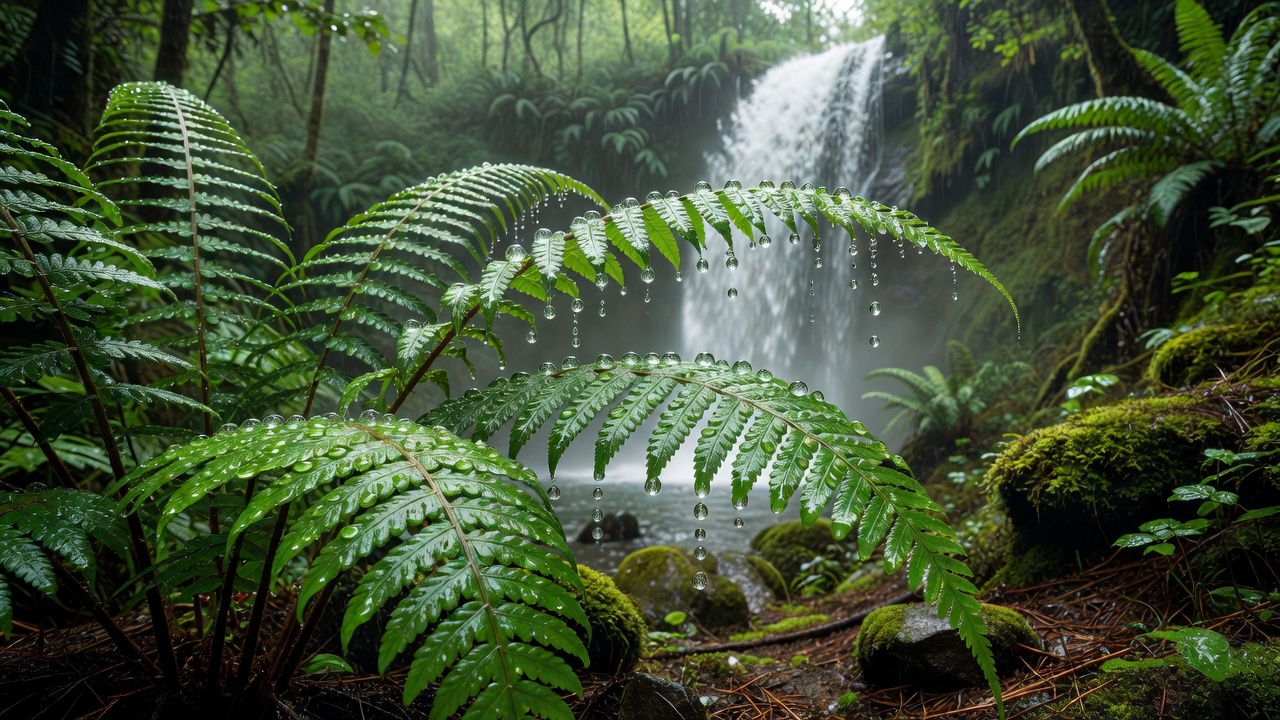
For photography, stop in a stable position away from traffic and water edges before handling lenses or wiping droplets. Do not walk backwards while looking through a screen. If the only clear view requires standing somewhere precarious, keep the partial view. The texture of spray against leaves can tell a more interesting story than another unobstructed picture of the drop.
Protect the places beside the water
Mosses, ferns and damp banks are easily damaged by repeated footsteps. Remain on the established route and avoid widening muddy sections by trampling the margins. Do not move stones, build dams or rearrange vegetation for a photograph. Keep dogs away from strong currents and follow site-specific lead requirements.
Take food wrappers and scraps home, and use designated facilities where available. If a viewing platform is crowded, wait without blocking the approach or choose a different part of the walk. Quiet discovery can mean listening from farther away, where water sound blends back into woodland rather than overwhelming it.
Check with the people managing the place
- National Trust — Aira Force and Henrhyd Falls visitor guidance.
- Loch Lomond & The Trossachs National Park — Falls of Falloch information.
- Ingleton Waterfalls Trail — official operator information.
- Met Office — forecasts and weather warnings.